Removal Companies in South Kensington

Removal Companies South Kensington provides a practical moving service for households and businesses that need organised transport, careful handling and a clear plan for moving day. Our work covers everyday home removals, office relocations, furniture pick-up and flexible man and van support, so customers can choose a level of help that suits the size and shape of the job. The emphasis is on safe loading, sensible timing and straightforward coordination rather than unnecessary complication.
For many moves, the right service is not just a vehicle but a sequence of tasks carried out in order. We can help with packing and unpacking services when extra protection is needed, and we can also support moves where the main requirement is simply moving items from one address to another efficiently. If you are comparing options, our removals page gives a broad view of the core service, while the wider range on this site helps you match the job to the right level of support.
To arrange a quotation, tell us what needs moving, where it is going and any access details that may affect loading or parking. A short written list is often enough to begin, and photographs can help where furniture or boxed contents are awkward to estimate. Please contact us with the basics of your move and we can discuss the most suitable approach.
Home removals planned around the property and the load
Home removals are usually easiest when the furniture, boxes and loose items are considered together rather than as separate problems. Our service is built to manage that process in an orderly way, from the first collection point through to delivery at the new address. We handle typical household belongings with care, with attention to doors, stairways, hallways and the way items need to be stacked in the vehicle so they remain stable in transit.
Useful planning starts with the volume of goods, the size of the property and the practical details that can slow down loading. A large sofa, a wardrobe that must be dismantled, or a property with tight stairs may all affect the time required. If you want a more specific page for domestic work, the home moves section explains the household side of the service, and it may help you judge what level of moving assistance is most appropriate.
For families and individuals alike, it is usually better to separate essential items from the rest before moving day. That makes it easier to keep documents, valuables and everyday necessities to hand. It also reduces confusion when rooms are emptied in stages. A move can be straightforward when the load is clearly described, so the quotation reflects the real work rather than an estimate based on guesswork alone.
Commercial relocations and office moves

Commercial moves need a methodical approach because equipment, paperwork and furnishings often have to be moved without disrupting normal operations more than necessary. Our office relocation services are intended for businesses that need practical transport for desks, storage units, chairs, files and other workplace items. Where the move is more specialised, the office relocation services page can be used to focus on business premises and the arrangements that tend to matter most in a commercial setting.
Office removals are commonly shaped by access, building rules, lift use and the order in which items should be taken out. Some firms need a simple move between floors or nearby streets; others need staged relocation with clear labelling and careful grouping of equipment. The aim is to keep items organised so they arrive in a condition that allows work to resume without unnecessary sorting after delivery.
When seeking a quotation for business removals, it helps to note whether the job includes desks only, a mix of fittings and archive material, or a full move with boxed contents. That detail allows the estimate to reflect the real handling and carrying involved. If you are weighing up a wider transport option, our commercial moves page supports businesses that want a clearer outline of the service before they ask for a price.
Packing, protection and the careful handling of belongings
Many removals are made easier by good packing because the load becomes simpler to carry, stack and protect. Our packing and unpacking services can support customers who need help preparing fragile items, boxed household goods or mixed contents that are awkward to manage alone. Strong cartons, wrapping and sensible labelling are all useful when the move involves breakable pieces or a large number of smaller items that would otherwise be difficult to track.
It is worth deciding early which items need extra care. Glassware, artwork, mirrors, kitchenware and electronics can usually be moved more safely when they are packed with the journey in mind rather than simply placed in whatever container is available. The packing and unpacking services page gives a dedicated view of this part of the work, especially where customers want help before and after the vehicle journey itself.
Good packing is not only about protection. It also helps loading run more smoothly because boxes can be stacked in a way that keeps heavier contents low and lighter contents on top. That matters on moves where time is tight, access is limited or furniture has to share space with boxed belongings. If you prefer to organise packing yourself, a clear room-by-room approach is often the most practical method.
Vehicle options for smaller jobs and flexible transport
Not every move needs a large lorry. Some customers only need a vehicle and a helpful pair of hands for a single bulky item, a few pieces of furniture or several boxes moved at once. In those situations, a man and van style service can offer a sensible middle ground between doing everything alone and booking a full house move. It is particularly useful where the load is modest but still awkward to carry without help.
The man and van page suits enquiries where flexibility matters more than scale. It can be a good fit for students, people collecting items from storage, and customers moving between nearby addresses with only a limited number of belongings. For some jobs, a smaller vehicle is also easier to position near the property, which can simplify loading where parking is not generous or access is tight.
If you already know the approximate size of the load, it is easier to select the right vehicle and avoid over- or under-specifying the job. A single sofa, a bed frame with mattress, or several boxes and bags can each point to a different setup. That is why a concise description of the items is usually more helpful than a vague request for transport alone.
Furniture pick-up and individual item moves

Furniture pick-up is a useful service when the task is centred on one or more larger items rather than a whole property move. It can cover collection from a shop, storage unit, seller or private address, provided the items can be loaded safely and moved in line with the available access. The emphasis is on secure handling, protecting corners and finishes, and making sure heavy pieces are carried in a way that reduces avoidable damage.
Some items are straightforward; others need a bit more planning. Wardrobes, dining tables, sofas and cabinets may require more than one person, and some may need to be dismantled before transport. The furniture pick-up page is a useful starting point if you are arranging a one-off collection rather than a full move. It helps to think about item size, weight and whether the destination has stairs or other restrictions.
For jobs involving only one or two pieces, customers often want a clear answer on feasibility rather than a long discussion of process. A simple item list, measurements if available and details of the collection and delivery addresses usually provide enough information to estimate the job properly. Where the piece is valuable or unusually shaped, it is sensible to mention that at the outset so handling can be matched to the item.
About South Kensington
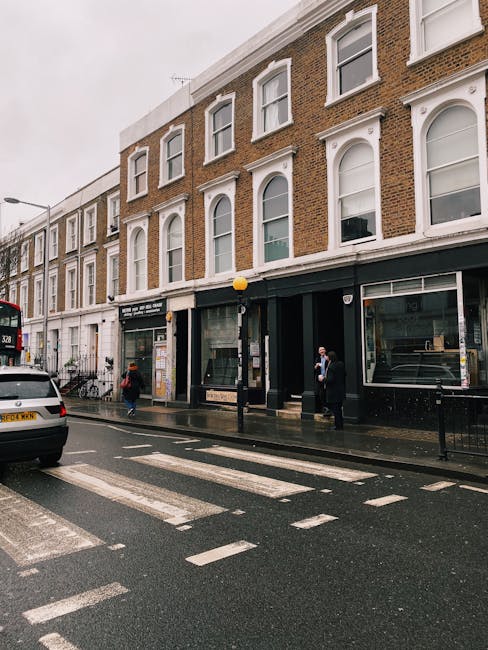
South Kensington is an affluent district in west London, known for its dense urban layout, stucco terraces and the strong presence of cultural institutions around Exhibition Road. It sits within the Royal Borough of Kensington and Chelsea and lies close to Kensington Gardens and Hyde Park, which form a significant green edge to the north and east. The area’s street pattern combines residential squares, museum quarter routes and quieter side roads, creating a distinctive contrast between busy visitor corridors and more settled housing streets. Gloucester Road and Cromwell Road frame parts of the district, while the Underground network has long made the neighbourhood easy to reach from other parts of the capital. The South Kensington station complex, served by the District, Circle and Piccadilly lines, is a major interchange and one of the area’s best-known transport landmarks. The district is especially associated with museums of national importance, including the Natural History Museum, the Science Museum and the Victoria and Albert Museum, all of which anchor the local identity and attract visitors throughout the year. Nearby, the Albert Hall and the wider Kensington cultural scene add to the area’s historic reputation for education, arts and public life. Residential architecture ranges from elegant mansion blocks to terraced townhouses and converted buildings, many of them dating from the nineteenth century, giving the district a largely Victorian and Edwardian character. Its streets are also shaped by embassy buildings, private garden squares and a network of cafes, institutions and specialist shops that reflect the area’s longstanding role as a mixed residential and cultural quarter rather than a single-purpose centre.
What can be included in a house or flat move
House and flat removals can involve far more than simply lifting furniture into a vehicle. Beds, wardrobes, tables, chairs, books, kitchen equipment and storage boxes all need to be considered together so the move is balanced and efficient. We work with mixed household loads and can handle a variety of item types, provided the arrangements are clear. If you are dealing with a smaller property, the house removals page is a useful option for understanding the domestic service in more focused terms.
Some homes contain a straightforward collection of furniture, while others include awkward items that take more time to move safely. Pianos, oversized mirrors, modular shelving or heavy appliances can all require extra planning. In these cases, the practical question is not whether the move is possible but how it should be managed so items are protected and the carrying route is sensible. That is why accurate information about item sizes and access can make a real difference.
A well-organised home move is usually easier on everyone involved. Separate the pieces that need special care, keep pathways clear where possible and make sure the destination has been considered as carefully as the collection point. Those small measures can help the move stay orderly from start to finish, especially when furniture and packed boxes have to be loaded together.
Pricing factors and what shapes a quotation
Quotation requests are most useful when they explain the work in practical terms. The number of items, the distance between addresses, the presence of stairs, the need for dismantling and the availability of parking can all influence the amount of time and effort involved. For many removals, the biggest difference is not simply how far things travel but how much handling is needed at each end of the journey.
Our pricing and quotes page is designed to help customers think about that process before they send through a request. A detailed description does not need to be long, but it should be complete enough to show whether the job is a small furniture collection, a flat move, or a larger relocation with multiple rooms involved. That helps avoid vague estimates that are difficult to compare.
Where relevant, it is sensible to mention items that may affect pace or safety, such as heavy cabinets, delicate glass or restricted access through communal areas. A quotation is generally clearer when it is based on the actual circumstances rather than assumptions. If you are still shaping the job, describe what must move first and what can follow; that simple sequence often makes the enquiry easier to price accurately.
Practical steps before moving day

Two practical steps can make a noticeable difference before any move: first, write a short inventory of the items that matter most; second, check access at both addresses. Inventory details help us understand whether the job is mainly furniture, mostly boxes, or a combination of both. Access details tell us whether a lift is available, whether there are tight corners or whether parking needs to be considered in advance. Those facts are more useful than broad descriptions alone.
If you are collecting quotations from several providers, it is worth using the same information each time so the responses can be compared fairly. That means listing the same furniture, the same floors and the same collection and delivery points. When the information is consistent, it is much easier to choose between options and decide which service level matches the move without paying for unnecessary extras.
Moving day is usually smoother when loose fittings, documents and items of personal importance have already been separated. This is especially true for mixed domestic moves and office work where a quick handover matters. A clear plan means the loading sequence can be followed with fewer interruptions, and the vehicle can leave once the last items are secured rather than waiting while small objects are searched for at the end.
Choosing between removals, a van service and full support
Different moves call for different levels of help, and it is sensible to select the simplest option that still covers the job properly. A man with a van style arrangement works well for small collections, a handful of boxes or a single item that is awkward to move alone. Full removals are better suited to bigger household or business loads where furniture, fittings and multiple cartons need to travel together in an organised way.
The broader removal services page is a useful place to compare the different forms of support available, from general transport to more structured relocation assistance. If you already know the move includes mixed contents, or you need a service that can be adapted to the circumstances on the day, that overview can help you decide which path to take. It is often better to choose a service that fits the job properly than to force the job into a smaller category.
For a final step, send a short summary of what needs moving and where it needs to go, and we can take it from there. If you are ready to proceed, ask for a quotation.
Booking support and final quotation details

When you are ready to request a price, the most useful details are the items, the addresses, the access conditions and any dates that matter. That gives a quote a sound basis and helps reduce surprises on the day. If packing support, furniture pick-up or a business move is part of the same job, it is best to mention that in the initial enquiry so the estimate reflects the full scope rather than only the vehicle journey.
Our service is intended to be straightforward to discuss, whether you are arranging a small collection or a larger move across town. You can use the information already on this site to compare the different service pages and decide which one fits best. For a general enquiry about moving support, the most direct next step is to get in touch here and outline the details you already know.
Once the main facts are clear, a quotation can be prepared around the work that actually needs doing. That is usually the best route for customers who want a practical moving service in South Kensington without unnecessary complexity or guesswork. Ask for a quotation when you are ready, and we will help shape the move around the information you provide.