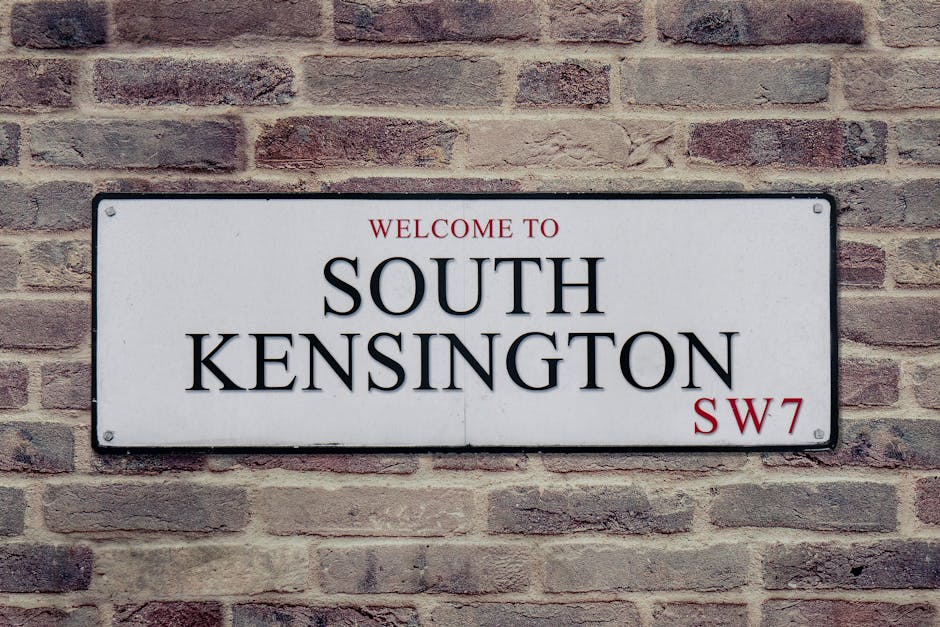
Insider tips for narrow street removals in Earl Court

If you have ever tried to organise a move down a tight London street, you will know the feeling: one parked van, a wing mirror too close for comfort, and a pavement that suddenly seems half its usual width. That is exactly why insider tips for narrow street removals in Earl Court matter. The difference between a smooth moving day and a stressful one often comes down to preparation, timing, and the small details most people miss until the last minute.
This guide pulls together the practical things that actually help in Earl Court-style streets, where access can be awkward, parking is limited, and a standard approach can quickly become the wrong one. You will find planning advice, packing strategy, legal and safety considerations, comparison points, and a realistic checklist you can use straight away. No fluff. Just the stuff that saves time, avoids damage, and keeps the whole job moving.
One quick note before we get into it: narrow street moves are rarely about brute force. They are about calm coordination. The quieter the process looks from the outside, the more work usually happened beforehand.
Why narrow street removals in Earl Court matter
Narrow streets change the entire shape of a removal. On a broad road, a team can park close, load steadily, and keep the walk short. On a tight residential street, every metre matters. The van may need to stop further away, corners can be awkward, and one badly timed delivery truck can throw off the schedule by an hour. In Earl Court, where housing mix and street layout can vary from one block to the next, that unpredictability is the real issue.
Why does this matter so much? Because moving is not just about lifting boxes. It is about maintaining a chain of small actions: parking, access, carrying, protecting, loading, and leaving the area tidy enough for the next person. If one link breaks, the whole thing slows down. That is why experienced movers spend so much time on access planning before the first box leaves the flat.
There is also the customer side of it. When access is tight, the risk of scratched furniture, bumped walls, and delayed handovers rises quickly. A narrow street move is often less forgiving than a standard house move, especially if you are dealing with stairs, basements, or awkwardly shaped furniture. Truth be told, the job can feel like a puzzle with too many pieces. But a solvable one.
If you are comparing support options, it is worth looking at broader moving services as well, not just the move itself. Pages such as removals, home moves, and flat removals can help you judge what level of support fits the job.
How narrow street removals in Earl Court works
The basic process is simple, but the execution is where the skill lives. A good narrow-street move usually starts before moving day with a visual check, a discussion about access, and a realistic idea of vehicle size. Not every property needs a large truck. In fact, in a tight street, a smaller vehicle or a flexible loading setup can be the better choice.
Here is the general rhythm:
- Access is assessed first. This includes road width, parking options, stair access, any low branches or overhangs, and whether the street can handle a larger vehicle.
- The load is matched to the access. If the road is awkward, the move may work better with a man and van setup, a removal van, or other more compact arrangement rather than a big lorry.
- Items are prepped for carrying. Boxes are stacked safely, furniture is dismantled where sensible, and fragile items are wrapped properly.
- The route is planned. That means front door, stairwell, pavement, van position, and the sequence in which items will go out.
- Loading is done in an order that saves time. Heavier, sturdier items go in first. Fragile or frequently needed items are kept accessible.
The real trick is reducing the number of surprises. A move through a narrow street should not feel improvised. If the team is discovering obstacles on the day, they are already behind. A slightly dull moving day is often a successful one. Not glamorous, but lovely in practice.
There is also a difference between a move that is physically possible and a move that is operationally smart. A large van may fit, but if it blocks the road and forces repeated shuffles, it may still be the wrong choice. That is where experienced planning earns its keep.
Key benefits and practical advantages
Insider planning for narrow street removals in Earl Court is not just about avoiding stress. It creates real practical gains that show up throughout the day.
- Less wasted time: Better access planning means fewer back-and-forth trips and fewer awkward pauses in the street.
- Lower damage risk: Smaller vehicle choices and more careful carrying reduce knocks to furniture, walls, and door frames.
- Better neighbour relations: A move that stays organised and tidy is less likely to upset people living nearby.
- More accurate cost control: Time lost to poor access can push costs up, so good planning helps keep the job on track.
- Cleaner handover: If you are leaving a flat or rental property, a smooth move makes it easier to leave the place in decent shape.
There is another upside people sometimes overlook: confidence. Once the access problem is solved, everything else feels more manageable. Packing decisions get clearer. The timetable settles. You stop worrying quite so much about the van outside and start focusing on what actually needs to happen inside the property.
Expert summary: For narrow street moves, the best result usually comes from combining a compact vehicle choice, early access planning, disciplined packing, and a realistic moving timetable. The move should fit the street, not the other way around.
If you are moving as part of a wider home transition, services like house removals and house removalists may be relevant where larger household logistics are involved. For smaller or more flexible moves, a man with van style service can be more efficient. It depends on the street and the volume. Simple as that.
Who this is for and when it makes sense
This approach is a good fit for people moving in or out of flats, maisonettes, townhouses, and smaller homes where the street access is tight. It is especially useful if you are on a road where parking is restricted, the pavement is narrow, or the property sits close to the kerb with little room for staging items.
It also makes sense if you are moving something that is bulky but not impossible, such as wardrobes, sofas, beds, office chairs, or a piano. In those cases, the access issue matters just as much as the item itself. A beautiful old sideboard does not care how narrow the road is. Unfortunately.
You may need this kind of planning if you are:
- moving from a top-floor flat with limited lift access
- handling a same-day handover and need the loading to be quick
- moving from a property where the van cannot park directly outside
- relocating students with lots of boxes but not much furniture
- moving office equipment that needs a tidy, timed transfer
- dealing with storage drop-off or split deliveries
For some people, the smartest solution is to keep the move lean. For others, especially if the contents are larger or more fragile, it is worth exploring packing and boxes or packing and unpacking services so the move day itself is less chaotic.
If your move is tied to a timetable that cannot slip, narrow street planning becomes essential rather than optional. That includes tenants, landlords, busy families, and anyone who has ever stood in a hallway saying, "We thought the van could park just there." Usually, it cannot.
Step-by-step guidance for a smoother move
Below is a practical process you can follow before moving day. It is not fancy, but it works.
1. Measure the access properly
Check the width of the road, the parking space available, and any pinch points near the property. Look out for bollards, lamp posts, sharp corners, steps, and overhanging trees. If you can, walk the route from the van position to the front door. You will notice problems faster in person than on a photo.
2. Decide what needs dismantling
Anything that can be safely taken apart should be considered. Beds, table legs, shelving, and some desks are easier to move in pieces. This saves space in the vehicle and cuts the chance of damage. Keep screws and fittings in labelled bags. It sounds obvious until you are searching for a tiny Allen key at 7:40 in the morning.
3. Pack for carrying, not just for storage
Boxes should be sturdy, not overfilled, and sensibly weighted. A heavy box that looks neat is still a heavy box. Use smaller boxes for books, crockery, and anything dense. Larger boxes are better for lighter items like bedding or cushions. The aim is to make lifting safer and quicker.
4. Plan the order of loading
Put the bulkier items in first and leave a clear path for the essentials. If you need to access something quickly on arrival, keep it separate. Essentials should not disappear somewhere behind a wardrobe and three chairs.
5. Reserve time for street logistics
In narrow streets, loading and unloading often takes longer than people expect. Build in extra time, even if it feels cautious. A small buffer can save a whole morning from turning into a rush.
6. Protect the route inside the property
Door frames, walls, banisters, and floors all deserve attention. Use covers, blankets, or padding where needed. In older London properties, the route out can be just as tricky as the road itself.
7. Have a simple communication plan
Tell everyone involved who is doing what, when the van is arriving, and which items are priority loads. One person should usually act as the point of contact. Too many voices in a tight hallway can get noisy fast.
If you are comparing vehicle options, you may also want to look at moving truck and removal truck hire choices carefully. Bigger is not always better. In Earl Court-type streets, "just enough" often wins.
Expert tips that make the biggest difference
Here are the insider details that often separate a decent move from a frustrating one.
- Book your slot with the street in mind. Early mornings can be calmer, but not every property is easiest at the same time. Think about school runs, refuse collections, and local foot traffic.
- Use a small staging zone inside. Even a narrow hallway can become a temporary sorting area if managed properly. Keep it tidy so it does not turn into an obstacle course.
- Label by room and priority. "Kitchen - first unload" is much better than a box marked "misc." Miscellaneous is where time goes to disappear.
- Keep one bag of essentials with you. Kettle, chargers, medication, toiletries, keys, documents. The boring bits are the ones you will want first.
- Use furniture pick-up only if the item genuinely needs specialist handling. For a single bulky item, a dedicated furniture pick-up or furniture removals approach may be more sensible than trying to squeeze it into a general load.
- Think about storage if the timing is messy. If keys, completion, or access are not lining up, temporary storage can remove a lot of pressure.
One small but important point: do not assume the shortest route is the best route. Sometimes the path with one extra turn or one wider gate is actually safer and quicker. It is a bit of a moving-day paradox. The easy-looking way is not always the easy way.
And if you are moving a business rather than a home, the same logic applies. For more structured relocations, office removals or commercial moves may be the right route, especially where downtime matters.
Common mistakes to avoid
Most narrow street problems are predictable. That is the good news. The bad news is that people still repeat them.
- Choosing the wrong vehicle size. A large lorry may seem efficient, but if it blocks the street, the whole move slows down.
- Ignoring parking reality. "We should be fine" is not a parking strategy.
- Overpacking boxes. Heavy boxes lead to slow carrying, more fatigue, and more damage.
- Leaving dismantling until moving day. That usually creates a bottleneck right when time is tight.
- Not checking stair width or turn angles. A sofa can look perfectly manageable until it hits the corner.
- Skipping communication with neighbours or building staff. A quick heads-up can prevent complaints and awkward moments.
- Forgetting about insurance and safety. Make sure you understand what is covered and what is not. The sensible reading of the paperwork matters more than people think.
A surprisingly common mistake is underestimating how tiring short carries can be. If the van has to stop far away, every item has to travel farther on foot. It is not dramatic, but it adds up. By the afternoon, everyone feels it.
That is why checking insurance and safety information before the day starts is a practical step, not a box-ticking exercise. You want to know where responsibility sits if something goes wrong. Better to know early, honestly.
Tools, resources and recommendations
You do not need a truck full of gadgets to handle a narrow street move well. But a few practical tools help a lot.
- Measuring tape: Useful for checking furniture widths, door frames, and stair turns.
- Furniture blankets and wraps: Good protection for wooden surfaces, mirrors, and awkward edges.
- Strong boxes and tape: Basic, but absolutely essential.
- Labels and markers: Make unloading faster and reduce confusion.
- Rubber gloves or grip gloves: Helpful for carrying during wet weather or when surfaces are smooth.
- Protective floor coverings: Useful in hallways and entrances where scuffs are a risk.
On the planning side, it can help to review pricing and quotes in detail so you understand whether access complexity may affect the estimate. Some moves are straightforward. Others need more time, more handling, or a different vehicle approach. Clarity early on is always the better deal.
For people who want help with the packing stage, packing and unpacking services can be useful because they reduce loading delays and make items safer in transit. For students or smaller households, student removals can be a better fit if the move is lighter and more time-sensitive.
It also never hurts to check the company background. A quick look at about us can tell you a lot about how the team works and whether they seem set up for careful, local removals rather than one-size-fits-all jobs.
Law, compliance, standards and best practice
Narrow street removals are mostly a practical issue, but they do touch on legal and safety expectations in a few important ways. You do not need to become a compliance expert, but you should understand the basics.
First, parking and loading in London may be subject to local restrictions, so do not rely on guesswork. If a vehicle is stopping in a constrained street, the mover should plan it carefully and respect local rules. Second, manual handling matters. Lifting awkward furniture through tight access should be done with care, using sensible technique and enough people for the job.
Third, safe working practices are not optional. Good movers should think about trip hazards, fragile surfaces, lifting angles, and the condition of the route. That is where a proper health and safety policy becomes more than a document on a website. It tells you the business takes risk management seriously.
There are also general consumer expectations worth remembering. A good moving company should communicate clearly about timing, pricing, and responsibility. If terms matter to you, review the terms and conditions before you commit. It is not the fun part of moving. But it is the part that can save arguments later.
For customers who care about responsible disposal, some moves also involve recycling and unwanted furniture handling. In those cases, checking a company's recycling and sustainability approach can be a sensible part of your decision-making. A move is a good moment to avoid needless waste.
Options, methods, and a comparison table
There is no single "best" method for every narrow street move. The right choice depends on access, volume, furniture type, and timing. Here is a simple comparison to help.
| Option | Best for | Strengths | Watch-outs |
|---|---|---|---|
| Man and van | Smaller loads, short carry distances, flexible access | Compact, nimble, often easier in tight streets | May not suit larger homes or bulky furniture |
| Removal van | Medium loads where access is still tight | Good balance of capacity and manoeuvrability | Needs careful parking and route planning |
| Removal truck hire | Large volumes where the street can support it | Efficient if access allows | Can be awkward or impossible in very narrow roads |
| Storage-first move | Complex timings, delayed keys, split moves | Reduces pressure on the day | Involves an extra step and extra coordination |
| Full-service removals | Busy households, fragile items, larger relocations | More hands, more structure, less stress | May cost more and needs early booking |
To be fair, the table only gets you so far. A small flat with a piano can be more complicated than a family house with easy parking. That is why the best moving decision is usually the one that matches the actual street, not the theoretical one.
If your move needs speed because the day cannot flex, same day removals may be worth considering, though tight access still needs planning. Speed helps, but not if it creates a jam outside the property.
Case study or real-world example
A recent narrow-street move in a typical Earl Court setting had a familiar shape: a second-floor flat, a long narrow hallway, limited parking, and a sofa that looked harmless until it reached the stairwell bend. The client initially wanted a larger vehicle because it "felt more efficient." After a quick access review, the plan changed to a smaller van, a two-stage load, and a pre-packed essentials box for immediate use on arrival.
What made the difference was not brute force. It was timing. The team staged boxes near the front door, dismantled the bed frame in advance, wrapped the awkward furniture before moving day, and kept the van position close enough for a short carry without blocking the street for too long. The whole job still took patience, but it avoided the stop-start chaos that often happens when the vehicle choice is wrong.
There was one slightly annoying moment with a parked car narrowing the access even more. That happens. Streets do what streets do. But because the rest of the plan was solid, the delay was manageable rather than disruptive.
The client ended up saying the most useful part was not the lifting, but the sense that nobody was guessing. And honestly, that is usually what people want from a move like this: less drama, fewer surprises, and a clear path through the day.
Practical checklist
Use this as a final run-through before moving day.
- Measure the street, entrance, and key furniture pieces
- Confirm the most suitable vehicle size
- Check parking and loading access in advance
- Decide which items need dismantling
- Pack heavy items into smaller boxes
- Label boxes by room and priority
- Protect floors, walls, and door frames
- Prepare essentials, documents, and chargers separately
- Set a realistic timetable with a bit of buffer
- Review insurance, terms, and safety details
- Consider storage if key timings do not line up
- Keep one person as the main point of contact
If you tick these off calmly, the move is already in a better place. Really. People underestimate how much smoother a day gets when the groundwork is done properly.
Conclusion
Narrow street removals in Earl Court are all about reducing friction before it appears. The tighter the street, the more valuable careful planning becomes. Measure properly, choose the right vehicle, pack for real carrying conditions, and leave enough time for the unexpected. That combination does far more than any last-minute rush ever will.
There is no magic trick here, just good judgement. And in moving, good judgement is underrated. If you get the access right, the rest of the day usually starts to breathe again. The boxes move. The van loads. The job gets done.
Get a free quote today and see how much you can save.
When you are ready to plan the move with less noise and more control, take the next step calmly. A well-organised narrow street removal can feel surprisingly manageable once the right pieces are in place.
Frequently Asked Questions
What makes narrow street removals in Earl Court more difficult than a normal move?
The main challenge is access. Tight roads, limited parking, and awkward loading space can make every part of the move slower. Even a short carry from van to front door can add a lot of time if the street is congested or the vehicle cannot stop close by.
Should I always choose a smaller van for a narrow street move?
Not always, but smaller is often smarter. The best vehicle depends on the amount you are moving and how much space the street allows. A larger van may carry more, but if it creates access problems, it can slow the whole job down.
How far in advance should I plan a narrow street removal?
As early as possible, ideally once you know your moving date and have a good idea of the property access. Early planning gives you time to measure furniture, sort parking, and decide whether you need dismantling, storage, or a different vehicle setup.
What should I do if there is nowhere to park outside the property?
Check nearby loading options and work out the shortest safe walking route from the vehicle to the property. If parking is extremely limited, speak to the mover early so they can suggest a practical vehicle size or loading plan. That part matters more than people think.
Can I move large furniture through a narrow street without damage?
Yes, but it needs careful handling. Furniture should be protected, measured, and sometimes dismantled before moving. Door frames, stairs, and corners are the usual trouble spots, so the route needs just as much attention as the furniture itself.
Is a man and van service enough for a flat in Earl Court?
It can be, especially for smaller loads, student moves, or flexible access. For larger homes or more fragile contents, you may need a fuller removals setup. The decision depends on volume, access, and how much help you want on the day.
What packing mistakes cause the most problems?
Overfilled boxes, poor labelling, and leaving heavy items in large boxes are the biggest culprits. These slow the move down and make lifting less safe. Packing for carrying, not just storage, is the better way to think about it.
Do I need storage if my move date is uncertain?
Often, yes. If completion times, key handovers, or access windows do not line up neatly, temporary storage can remove pressure and prevent rushed decisions. It gives you breathing room, which is sometimes the real luxury on moving day.
How can I reduce neighbour complaints during a narrow street move?
Keep the loading area tidy, avoid blocking the road longer than necessary, and try to work within reasonable hours. A polite heads-up can help too. Small things, but they make a noticeable difference in a dense residential street.
What if my furniture will not fit through the stairwell?
That is when dismantling, alternative carrying routes, or specialist handling come into play. If an item is still too awkward, it may need a different removal method or temporary storage while you work out the safest option.
How do I know whether a removals company is suitable for a narrow street job?
Look for clear planning, sensible communication about access, and a willingness to discuss vehicle choice rather than defaulting to the biggest option. A company that asks the right questions before moving day is usually a better fit.
Are narrow street removals more expensive?
They can be, especially if access adds time or requires extra handling. But that is not automatic. A well-planned move can stay efficient. The best way to understand likely costs is to get a proper quote and explain the access conditions clearly from the start.