How much do house removals SW7 cost real cost guide

If you are trying to work out how much do house removals SW7 cost real cost guide style pricing in the real world, you are probably noticing one thing straight away: the numbers are rarely simple. A move in SW7 can look straightforward on paper, then suddenly involve a fourth-floor walk-up, a tight staircase, parking headaches, fragile furniture, and a time window that makes everything feel a bit more urgent. That is where costs start to shift.
This guide breaks down the real factors behind house removals pricing in SW7, what you are actually paying for, and how to avoid the usual traps. It is written for people who want clear answers, not vague "it depends" fluff. To be fair, it does depend - but not in a mysterious way. Once you understand the moving parts, the estimate makes a lot more sense.
By the end, you will know what affects the price, which service type fits your move, and how to compare quotes without getting caught out by hidden extras. A calm, sensible move is possible. Even in SW7. Especially if you know what to look for.
Why How much do house removals SW7 cost real cost guide Matters
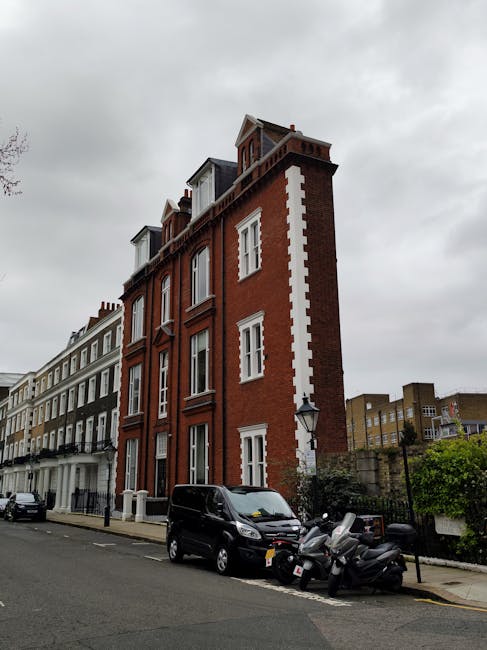
House removals in SW7 are not the same as a simple point-A-to-point-B job. The area has a mix of mansion blocks, period conversions, mews houses, basement flats, and streets where parking can be awkward at the best of times. That local detail matters because removals pricing is built around time, access, labour, vehicle size, and risk.
If you only compare by headline price, you can end up choosing the wrong service. A cheaper quote may look attractive, but if it excludes stair carries, waiting time, or parking delays, the final bill can creep up fast. That is especially frustrating when you are already dealing with landlord deadlines, completion day pressure, or an end-of-tenancy move. Nobody wants a moving day surprise. Not that kind, anyway.
This guide matters because it helps you understand the real cost drivers before you commit. In practical terms, that means better planning, fewer surprises, and a more realistic budget. It also helps you spot whether a quote is genuinely competitive or just conveniently incomplete.
One more thing: local knowledge has value. In a place like SW7, experience with access, permits, and narrow loading conditions can be worth more than a cheap hourly rate. Sometimes the "expensive" team is actually the better-value one because they finish faster and handle the awkward bits properly.
How How much do house removals SW7 cost real cost guide Works
Removal pricing in SW7 usually comes down to a few core elements. Most companies will base their quote on a combination of property size, volume of belongings, number of movers, travel time, access conditions, and any extra services such as packing or furniture dismantling.
For many moves, pricing falls into one of three broad formats:
- Hourly rate: common for smaller local moves, especially when the volume is manageable and the route is straightforward.
- Fixed quote: often used for larger or more complex house moves where the company can assess the job in advance.
- Hybrid pricing: a base rate with extras added for difficult access, heavy items, parking support, or additional waiting time.
A modest one-bed flat in SW7 may need a smaller vehicle and two movers, while a family house with stairs, loft contents, and antique furniture might need a larger team, more time, and careful handling. That difference changes the cost significantly. It is not just about distance. It is about logistics.
The real question is not "how cheap can I make this?" but "what level of service do I need for this property, on this street, with these belongings?" Once you ask the right question, the quote becomes a lot easier to interpret.
Many people also underestimate the effect of timing. Friday afternoons, month-end moves, and short-notice bookings can cost more because demand is higher. Morning starts can be smoother, too, especially if parking or building access is easier before the street gets busy.
Key Benefits and Practical Advantages
Understanding removal costs properly gives you more than a price figure. It gives you control. And that matters when your move already feels like a moving puzzle with one missing piece under the sofa.
- Better budgeting: You can set aside a more realistic amount and avoid awkward surprises on moving day.
- Smarter quote comparison: You can compare like-for-like offers instead of apples and oranges.
- Fewer delays: Planning access, parking, and packing in advance reduces wasted time.
- Less damage risk: Choosing the right team and service level protects your furniture, walls, and stairs.
- Lower stress: A well-planned move is simply less chaotic. You will feel that difference on the day.
There is also a practical advantage that people often miss: understanding the cost structure helps you decide what to do yourself and what to hand over. You may be happy to pack books and clothes yourself but prefer a crew to move wardrobes, mirrors, and awkward items. That balance can save money without turning the day into a marathon.
For local moves in SW7, the right removals setup can also make a big difference to timing. If your block has limited access, a team that knows how to work quickly and safely in tighter spaces can shave off unnecessary hours. Small detail, big result.
Expert summary: The best value removal service is usually not the cheapest one. It is the one that matches your property, access, timings, and belongings without padded extras or avoidable delays.
Who This Is For and When It Makes Sense
This guide is for anyone planning a move in SW7 who wants a clear view of costs before booking. That includes first-time buyers, renters, landlords arranging tenant changes, families upsizing or downsizing, and anyone relocating within London who needs a practical estimate rather than guesswork.
It also makes sense if you are comparing a man and van option against a fuller removals service. In some cases, that lighter setup is perfectly suitable. In others, especially where there are stairs, larger furniture pieces, or a lot of boxes, a more complete team is the safer and quicker choice.
You may also find it useful if you are moving from a flat with awkward access, or if you are trying to fit removals around a completion, tenancy deadline, or same-day handover. In SW7, timing can be tight. Truth be told, it often is.
If you are the sort of person who wants to know the likely "real cost" before you even request a quote, this article will help you understand the range and the reasons behind it. That is a good place to start. A very good one.
Step-by-Step Guidance
Here is a simple way to approach house removals pricing in SW7 without getting overwhelmed.
1. List what actually needs moving
Start with the furniture, appliances, boxes, and fragile items. Be honest. The spare-room cupboard, the bicycle in the hall, the mirrors, the plant pots, the awkward floor lamp - they all count. A rough list is useful; a detailed list is better.
2. Check access at both properties
Note the floor level, lift availability, stair width, doorway restrictions, parking distance, and whether the van can stop nearby. These details can change the quote more than people expect. In SW7, access can be the difference between a smooth job and a slow one.
3. Decide what level of service you want
Do you need full packing, dismantling, and reassembly? Or just loading, transport, and unloading? The more help you want, the more labour time is involved. That is normal, not a problem.
4. Ask for a written estimate
Written quotes are helpful because they let you compare the same things. Make sure the quote states what is included, what counts as extra, and how waiting time or parking issues are handled.
5. Compare value, not just price
A lower quote may miss important details. Look at the team size, whether insurance is included, whether packing materials are extra, and whether the company has local experience with SW7 moves.
6. Book early where possible
Good slots go quickly, especially around weekends and month-end. Early booking also gives you time to prepare, which usually means a more efficient move and a smaller final bill.
As a practical example, imagine a two-bedroom flat move from a third-floor conversion near South Kensington. If the quote assumes easy access but the reality is narrow stairs and no nearby parking, the job can take much longer. Not ideal. That is why accurate details matter from the start.
Expert Tips for Better Results
Small decisions can shave real money off the total. Here are the things that tend to make the biggest difference.
- Declutter before you quote: Fewer items means less loading time, less van space, and often a lower price.
- Disassemble simple furniture in advance: Beds, desks, and flat-pack items can take time if left for moving day.
- Group boxes by room: A tidy load plan speeds everything up.
- Protect hallways and fragile surfaces: This helps prevent accidents and awkward delays.
- Choose off-peak times if you can: Midweek moves are often easier than Friday or month-end slots.
- Ask about parking assumptions: Do not assume parking is sorted unless the quote says so.
One useful tip from experience: take a quick video walkthrough of the property before moving day. It takes two minutes and helps you remember the awkward corners, low shelves, and bulky items you almost forgot. Handy little thing, that.
If you have valuable items, say so early. Antique furniture, artwork, glass cabinets, and musical instruments need more care and sometimes more padding. The cost difference is often worth it compared with the risk of damage.
Common Mistakes to Avoid
The most expensive move is often the one that looked cheapest at first. That is the honest truth.
- Ignoring access issues: If the mover cannot park close by, the job becomes slower and more expensive.
- Underestimating volume: "It's only a few boxes" has ruined many a quote. Then the sofa appears. Then the sideboard. Then the mystery storage cupboard.
- Not asking what is included: Packing, wrapping, dismantling, and waiting time may all be extra.
- Leaving packing until the last minute: Last-minute packing is stressful and often leads to rushed, inefficient loading.
- Choosing only on hourly rate: A low rate with a slow crew can cost more than a higher rate with a well-organised team.
- Forgetting building rules: Some blocks need booking forms, lift protection, or time windows. Miss that, and the move can stall.
Another one that catches people out: not mentioning bulky items such as pianos, American-style fridges, or large wardrobes. Those things are not just "extra big boxes." They affect manpower, handling, and sometimes vehicle choice.
Tools, Resources and Recommendations
You do not need specialist software to plan a move, but a few simple tools make the process far less chaotic.
- A room-by-room inventory: Even a basic notes app list helps with quote accuracy.
- Measuring tape: Useful for doors, stairs, sofas, and awkward furniture.
- Masking tape and marker pens: Great for labelling boxes clearly.
- Phone photos: Helpful for showing stairwells, access points, and large items.
- A calendar reminder: Sounds obvious, but moving admin slips through the cracks easily.
If you are comparing services, the pages on pricing and quotes and house removals are useful starting points for understanding service scope and price structure. You can also review insurance and safety if you want to know how protection is handled during the move.
For people who want a broader service overview, removal services and home moves can help frame the differences between move types. It is often easier to choose once you see how the service is packaged.
Law, Compliance, Standards, or Best Practice
For a domestic move in SW7, there are a few practical compliance points worth keeping in mind. None of this is overly dramatic, but it does matter.
First, parking and loading arrangements should be checked carefully. In central and inner London areas, access can be restricted, and moving vehicles may need sensible planning around bays, permits, and loading windows. The safe approach is always to confirm the arrangement in advance rather than assuming the van can just stop outside and everything will be fine. It rarely is, honestly.
Second, insurance should not be treated as an afterthought. A professional removals company should be able to explain its cover and safety approach clearly. If something feels vague, ask more questions. That is not being difficult. It is basic due diligence.
Third, good practice includes safe lifting, proper securing of loads, and careful handling of fragile items. A careful team protects both people and property. That is especially relevant in stair-heavy period buildings where corners are tight and walls are easily scuffed.
Finally, if you need disposal or recycling as part of the move, check the company's policy first. Disposal should be handled responsibly and legally. If you need extra clarity, the page on recycling and sustainability is a sensible place to look for the company's approach to waste and re-use.
Best practice is simple: get the details in writing, understand what is included, and make sure both sides agree on access, timing, and responsibilities. That keeps the move smoother for everyone.
Options, Methods, or Comparison Table
Different move types suit different budgets and property sizes. Here is a practical comparison to help you choose.
| Option | Best for | Typical strengths | Possible drawbacks |
|---|---|---|---|
| Man and van | Small flats, light loads, short local moves | Flexible, often cost-effective, good for smaller jobs | Less suitable for large households or complex access |
| Two-person removals team | One- to two-bedroom homes, standard local moves | Balanced cost and support, faster loading than solo help | May need extra hands for bigger furniture or lots of boxes |
| Full house removals service | Family homes, larger properties, fragile or valuable items | More labour, better for bulky items, less stress on the day | Higher overall cost, especially with packing added |
| Packing add-on | Busy households, fragile contents, time-sensitive moves | Saves time, reduces packing stress, improves protection | Adds cost, and not everyone needs full packing support |
The best option depends on volume, access, and how much work you want to do yourself. If you are moving a compact flat with a few key pieces, a man and van removals service may be enough. If you have a larger household move and want more hands on deck, a dedicated movers team is often more efficient.
For people with heavier or more awkward items, a removal van or a more structured moving setup can be the smarter choice. Cheap is fine. Efficient is better. Usually both, if you plan well.
Case Study or Real-World Example
Here is a realistic example based on the sort of move people in SW7 often face.
A couple is leaving a two-bedroom flat near South Kensington and moving to a nearby address a short drive away. The property is on an upper floor, has no lift, and includes a large sofa, dining table, bed frames, several book boxes, and a few fragile pieces. At first glance, they assume a small van and one helper will do the job. After checking access and volume, it becomes clear that the move needs two movers, a suitably sized vehicle, and a bit of dismantling time.
What changed the quote?
- The stairs slowed loading down.
- Parking needed careful planning.
- Bulky furniture required more handling time.
- Fragile items needed wrapping and positioning inside the vehicle.
By being honest about the access issues and the number of items, they avoided the common "add-on" problem on the day. The final cost was not the lowest possible, but it was fair for the work involved. More importantly, the move finished without drama. No damaged hallway paint, no panicked reshuffling in the street, no last-minute scramble for extra help. That is the sort of boring success you want.
If that kind of move sounds familiar, you are not alone. Many SW7 moves look simple until the practical details appear. The right quote is the one that reflects the actual job, not the ideal version of it.
Practical Checklist
Use this checklist before you book.
- Make a room-by-room list of items to move.
- Measure large furniture and note any tricky pieces.
- Check floor access, stairs, lifts, and doorway widths.
- Confirm parking or loading arrangements at both addresses.
- Decide whether you need packing, dismantling, or reassembly.
- Ask what is included in the quote and what costs extra.
- Check insurance and handling procedures.
- Choose a move date that avoids unnecessary rush where possible.
- Label boxes by room and fragility.
- Set aside essentials for the first night.
A small bit of planning goes a long way. Really, it does. The fewer surprises you leave for moving day, the better your final cost is likely to be.
Conclusion
So, how much do house removals SW7 cost in real life? The honest answer is that the price depends on volume, access, timing, labour, and the level of service you choose. But that is actually useful, because once you understand those factors, you can predict the cost far more accurately and compare quotes properly.
If you are moving in SW7, aim for clarity rather than guesswork. Give accurate details, ask what is included, and choose a team that understands the practical realities of London property access. That approach usually saves money, time, and a fair bit of stress too.
And if you are still weighing up the options, keep it simple: compare like for like, be honest about the job, and choose the service that fits your move rather than the one that only looks cheapest on paper. It is a better way to move, plain and simple.
Get a free quote today and see how much you can save.
Frequently Asked Questions
What affects house removals cost in SW7 the most?
The biggest factors are property size, access, distance, number of movers, and whether you need packing or dismantling. In SW7, stairs and parking can have a real impact as well.
Is a man and van cheaper than a full removals service?
Usually yes for smaller moves, but not always better value if the job is large or awkward. A bigger, better-equipped team can sometimes finish faster and cost less overall.
Can I reduce removals costs by packing myself?
Yes, often. Self-packing can reduce labour time, especially if you organise boxes well and label them clearly. Just make sure fragile items are packed properly.
Do removal companies in SW7 charge extra for stairs?
Some do, especially if there is no lift or if the stairs are narrow and numerous. It is best to ask directly so the quote reflects the actual access.
How far in advance should I book house removals?
As early as you can, especially around month-end, weekends, and school holidays. Booking early gives you better choice and more time to prepare.
Are packing materials usually included in the price?
Not always. Boxes, tape, wrapping paper, and wardrobe cartons may be included, offered as extras, or excluded altogether. Always check.
What is the difference between a fixed quote and an hourly rate?
A fixed quote gives you one agreed price for the job, while an hourly rate depends on how long the move takes. Fixed quotes are often better for complex moves; hourly rates can work well for simpler local jobs.
How do I avoid hidden removal charges?
Give full details from the start, ask what is excluded, and make sure parking, waiting time, and extra labour are discussed before booking. A clear written quote helps a lot.
Is insurance included with removals?
Often yes, but the level of cover can vary. Ask what the company's insurance covers and how claims are handled before moving day.
What if my moving date changes at short notice?
Tell the company as soon as possible. Short-notice changes can affect cost and availability, especially in busy periods. The earlier you communicate, the easier it is to adjust.
Do I need a parking permit for removals in SW7?
It depends on the street and the loading setup. Parking and loading restrictions can be important in central London, so confirm the arrangement in advance rather than assuming.
Which service is best for a flat move in SW7?
That depends on the volume and access. A smaller flat may suit a man and van setup, while a larger flat with stairs, bulky furniture, or time pressure may need a fuller removals team.
What should I check before accepting a quote?
Check what is included, whether there are extra charges, the estimated time, the number of movers, and any assumptions about access. If something feels vague, ask for clarification before you agree.
Is it worth paying more for a local SW7 removals company?
Often yes if they understand the access, parking, and building types in the area. Local knowledge can save time and reduce risk, which may be worth more than a small price difference.